
Administrative Structure
One of the challenges that APTU addresses is creating an administrative structure that places significant decision-making responsibilities in the hands of local schools and their national/regional consortiums. These structures will not replicate the prevailing model of the hierarchical distribution of power, but rather a decentralized model that ensures mutual learning, care, support, and sharing of responsibilities more equitably.
Furthermore, APTU champions a contextual approach to theology. This means moving away from universalizing theological interpretations and instead striving to understand global realities through the lived experiences of marginalized communities. By giving voice to these perspectives, APTU aims to develop a richer and more nuanced understanding of theology. This emphasis on context aligns perfectly with APTU’s decentralized structure – only through empowering local voices can a truly people- centered theology emerge.

Administrative structure will be guided by the following objectives
National/Regional Boards
National boards, established by participating schools within each country, will handle most administrative tasks such as admissions, coursework management, and examinations. These decisions will be made in consultation with the Interregional Board
and the Senate, fostering mutual learning and ensuring higher academic standards. If a nation has too few participating schools for a national board, neighboring countries can collaborate to form regional boards. Initially, APTU aims to partner with four national boards: Taiwan, Myanmar, the Philippines, and Indonesia, along with three regional boards: South Asia, Southeast Asia, and the Pacific region.
A core responsibility of national and regional boards is to ensure that curriculum and research address specific contextual realities. These boards will tailor courses, training programs, and colloquiums to explore and address the unique challenges of their
contexts. Contextual theologies emphasize that not every context holds theological significance; theologians must develop the ability to discern the specific contexts where humanity encounters new incarnations.
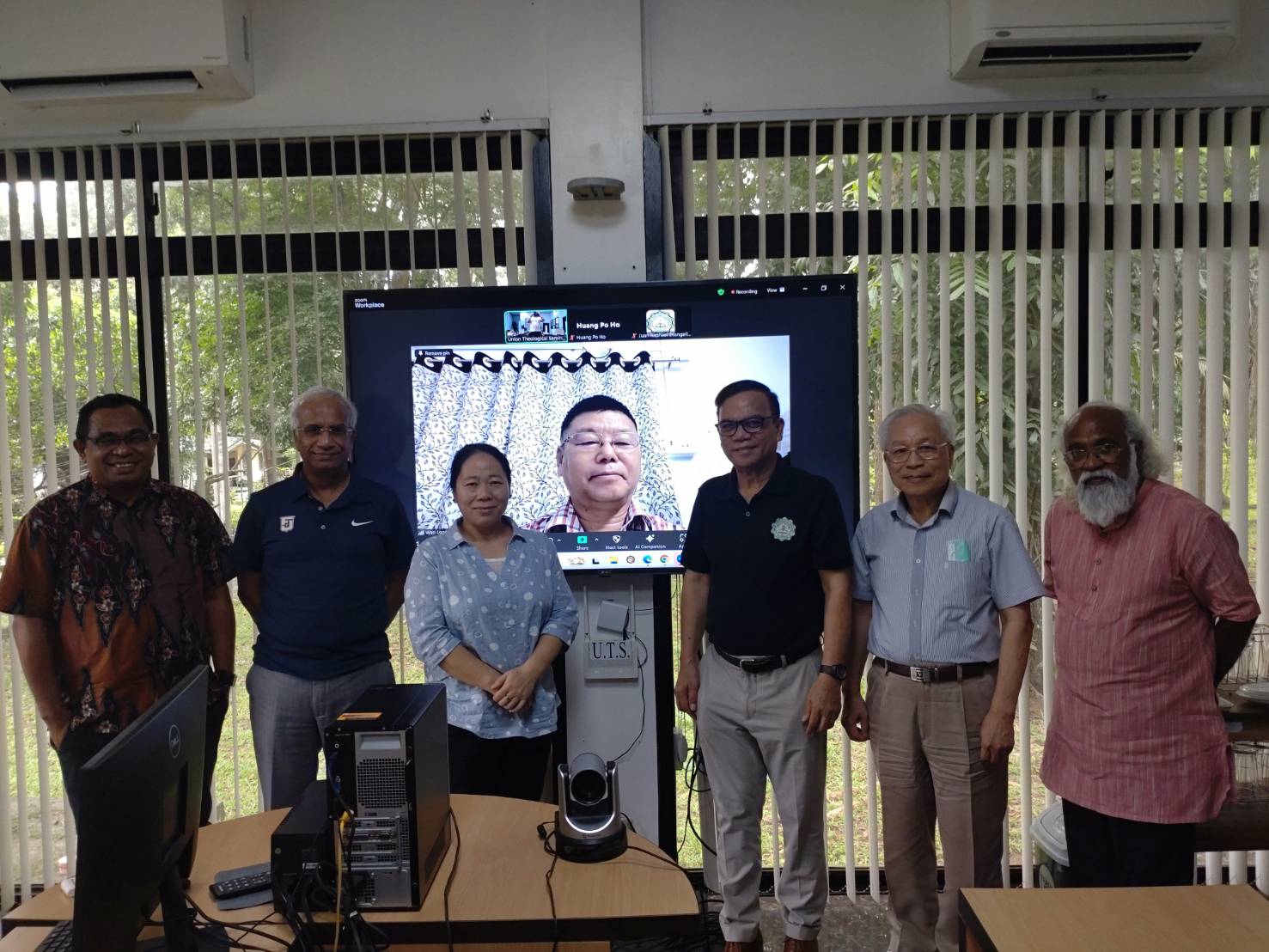
Specific responsibilities of the national/regional board involve:
a. Identifying and proposing qualified teaching faculties to be appointed to the Inter- regional Senate for approval
b. Coordinate, support, and supervise the local centers of theological schools to offer APTU-sponsored doctoral programs.
c. Oversee admissions, examinations, and appointment of academic committees
d. Dealing with grievances of students
e. Assisting students in finding a relevant learning atmosphere, including library facilities, research opportunities, and other related issues.
f. Organize methodological colloquiums, methodological workshops, writing workshops, occasional lectures, and study tours for involved knowing, foreign placement of students (if necessary for research and learning),and various other needs for in-depth learning.
g. Assisting students in procuring scholarships if and when it is necessary.
h. Preparing annual budget
i. Initiating the creation of new curriculums, pedagogical models, and syllabi for the approval of the inter-regional Senate.
Asia Pacific Interregional Board
Representatives from the national and regional boards, along with a representative(s) from FTEAP, will form an Asia-Pacific Board to guide, support, and coordinate the functions of the national and regional boards. While doctoral studies are primarily conducted at the national level, the Asia-Pacific Interregional Board will award Ph.D. degrees. This board will ensure higher academic standards, provide an international perspective, create a panel of international faculty to assist doctoral centers and support national and regional centers in their fundraising efforts.
The Asia-Pacific Interregional Board will also organize inter-regional colloquiums on methodologies and social analysis, aiding national/regional doctoral research centers in organizing methodology colloquiums. Furthermore, the Asia-Pacific Board can offer an inter-regional doctoral program.
The Interregional Board elects a Chair to lead and oversee Board meetings. The Dean/Registrar of APTU assumes the role of Executive General Secretary. In this capacity, she/he holds primary responsibility for managing Board activities.
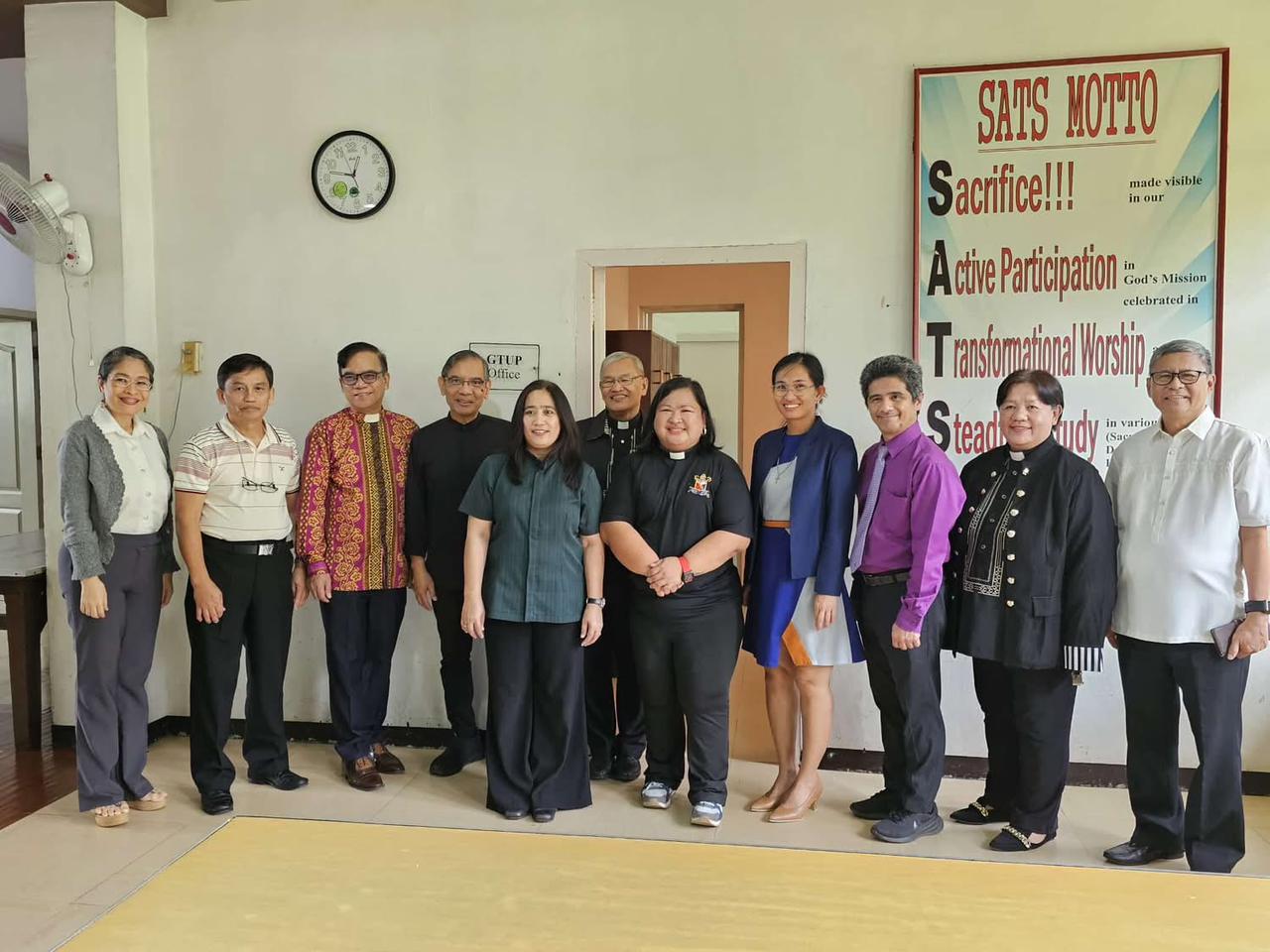
The specific responsibilities of the regional boards include:
a. Will be responsible for conferring degree upon the recommendation of the inter-regional senate.
b. Formulate stipulations related to admission requirements, course structures, examination procedures, graduation requirements, and other related issues occasionally.
c. Assist national and regional boards in appointing a doctoral advisory committee to supervise each student. The inter-regional board should approve the appointment of the primary guide to assist respective students.
d. Ensuring that specific contextual imperatives are addressed in research and study. The inter-regional board will also be responsible for shaping courses, training programs, and colloquiums to address unique contextual challenges.
e. Maintaining higher academic standards and offering an international perspective.
f. Identifying and appointing a panel of international faculty to support doctoral centers in consultation with the Inter-regional Senate.
g. Assisting in fundraising efforts for national and regional centers.
h. Organizing inter-regional colloquiums on methodologies and social analysis for Ph.D. students.
i. Organize faculty workshops to augment the research and teaching skills of the existing faculty members.
j. Support national and regional doctoral research centers in organizing methodological colloquiums.
k. Develop a better study environment at national and regional centers to ensure higher academic standards, including support for library development at APTU-related learning centers.
l. Create improved opportunities for faculty and students to publish their articles, potentially launching an international journal to increase visibility for Asia-Pacific theological perspectives.
m. Appoint a Dean/Registrar and an academic assistant to manage the daily operations of APTU and the doctoral program.
n. Identify and appoint Inter-regional Senate.
The Senate
Initially, a seven-member Inter-regional Senate will be responsible for maintaining the academic quality of the doctoral degree. This Senate will consist of five senior faculty members from the Asia-Pacific region, one member from the Foundation for Theological Education in Asia and the Pacific (FTEAP), and one member from the global theological community. The dean/Registrar will be the moderator of the Senate.
The Senate will periodically establish the requirements for the curriculum, comprehensive examinations, dissertations, and oral examinations. The Interregional Board will announce the successful completion of doctoral degrees only upon the Senate’s recommendation. One-third of the Senate members will retire every five years, and the Interregional Board will appoint new members to replace those who have retired.
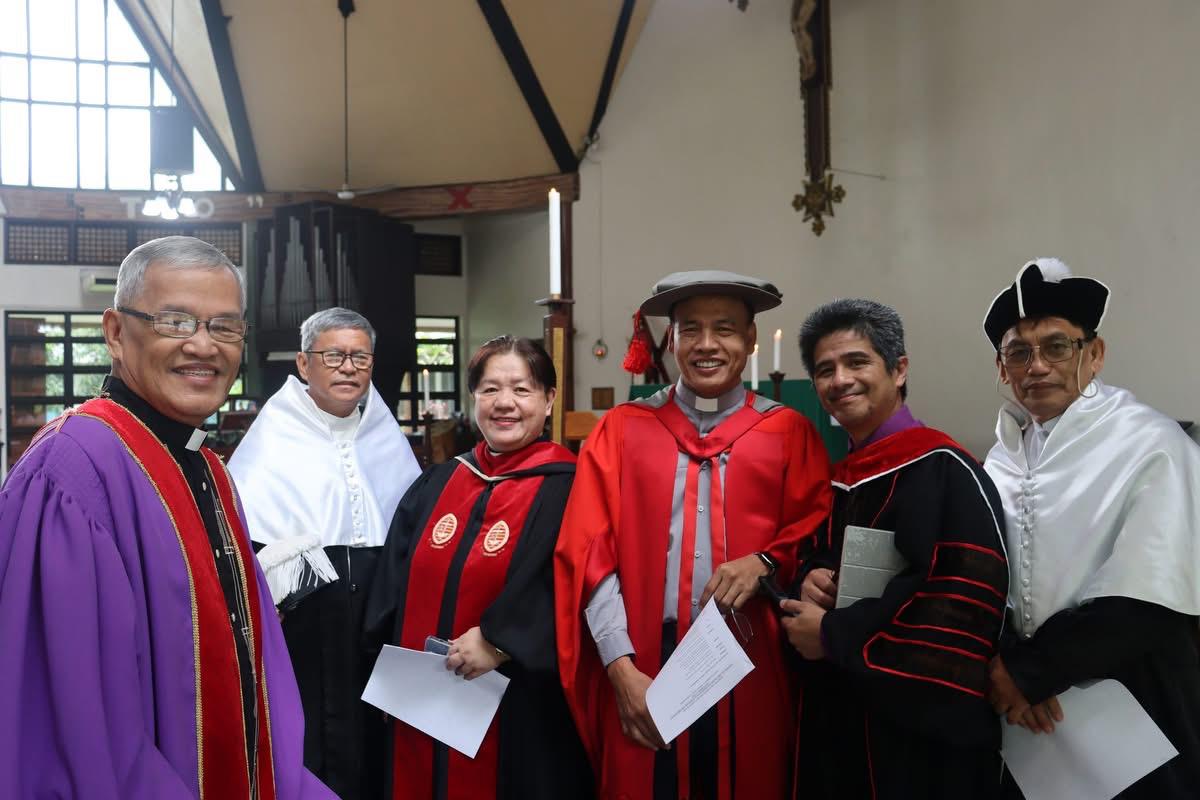
The specific responsibilities of Senate include:
a. Give guidance to the inter-regional and national/regional boards to ensure higher academic standards in the Ph. D programs.
b. Draft and approve a curriculum.
c. Create stipulations regarding the requirements for admission, the content of colloquiums, examinations, graduation requirements, and pedagogical structures.
d. Assist inter-regional and national/regional boards increating doctoral advisory committees, including the guide and final approval.
e. Approval of doctoral faculties proposed by national/ regional boards
f. Help/assist the inter-regional board in creating a panel of international faculty teams supporting the national and regional boards.
g. Supervise the comprehensive examination and the final oral examination.
h. Listen/find answers to the (academic) grievances of students and faculty.
i. Recommend the Inter-regional board to confer degrees on successful candidates.